
中文

On March 10, Jiao Qisen, an NPC Deputy and Chairman of China Jing An Limited, stated in an interview that "Deep-sea unmanned systems serve as a foundational pillar for building a strong maritime nation. Solving the critical challenges in industrial development is essential to promote domestically produced equipment into deep-sea operations and onto the global stage."
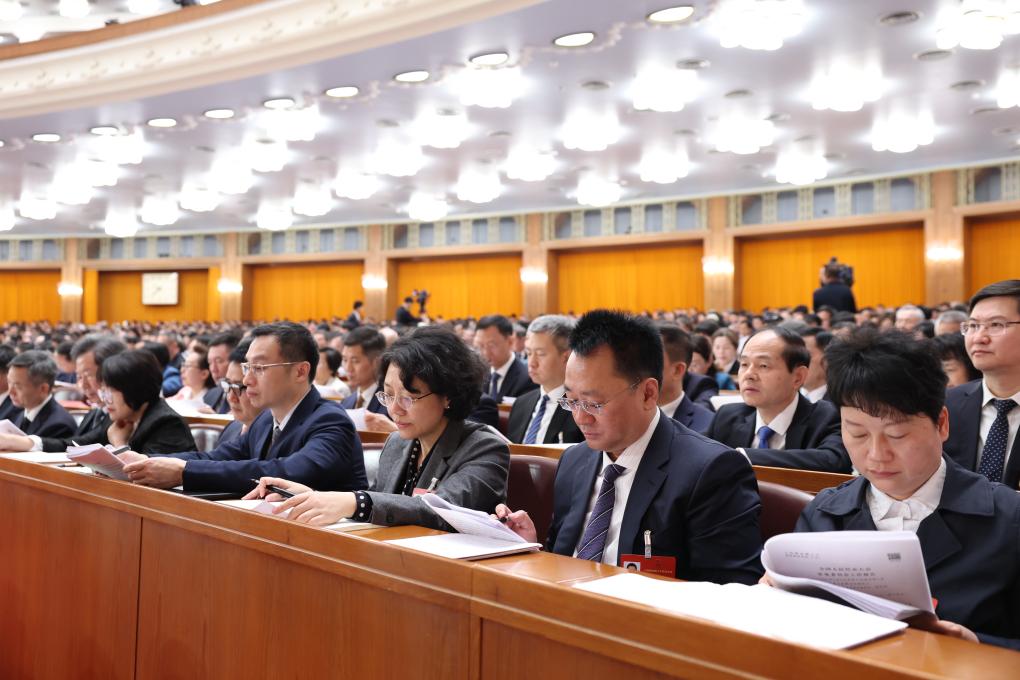
Jiao Qisen stated that China’s deep-sea unmanned systems sector currently possesses substantial potential. The market size of underwater robots in China exceeded 10 billion yuan in 2024, and it is expected to reach 40 billion yuan by 2027.
He believes that although China’s deep-sea technologies have developed rapidly and are now on par with those of established maritime powers, the country still faces challenges such as shortcomings in core technologies, imbalanced infrastructure layout, local subsidies mainly focusing on the R&D phase, and insufficient impetus for the engineering application and large-scale adoption, all of which demand urgent resolution.

Jiao Qisen suggested that a special permit mechanism featuring the “negative list and nationwide handling” should be established for cross-sea operations of civilian deep-sea unmanned systems equipment to streamline approval procedures. Furthermore, he called for improving infrastructure by constructing an integrated sea-air collaborative command center, while establishing a national-level data hub in order to break down departmental data barriers and to improve the utilization efficiency of maritime and airspace resources.
Meanwhile, market access for investment should be relaxed to unlock market vitality, and private enterprises should be encouraged to work with state-owned enterprises and research institutions to overcome the challenges of reliance on foreign technologies. It is necessary to enhance the standard system, formulate airworthiness certification standards for civilian equipment, and promote mutual recognition with international classification societies to facilitate the export of domestically produced equipment and international cooperation.



 京公网安备11010102007223号

